Small groups, taught at your office. Every participant brings one task they redo every week. The tools are installed in class and connected to the files and systems they already work in. Before the course ends, that task is running.
Seeing where it breaks is what explains why this course is run the way it is.
It all makes sense while you listen. Back at the desk, in front of their own spreadsheet, nobody knows which button to press first.
The demo tool has nothing to do with their daily work, and some of it can't be run reliably in Hong Kong at all. Nobody opens it again after the session.
A speaker on stage, staff in the seats. A week later nobody remembers which steps they went through.
No one wires the tools into the real work. WhatsApp threads, spreadsheets and undocumented know-how carry on as before, and the tools are dropped within two weeks.
Pricing depends on the number of participants and the number of sessions. You'll have a firm quote and a schedule after the 30-minute intro call.
The course is built around bringing your own work to class. Before we start, each participant submits one task they redo every week. Tools are chosen to fit your actual environment, installed and set up together in class, then connected to the files and systems the team already uses every day. Sessions are a week apart, so people can put what they built to real use, and we fix what breaks at the next session.
One company per course, never mixed with others · Taught at your office · You pick the language · All you need is a room and one computer per person; accounts and tool setup are done together in class
Book a free 30-minute intro callThree parts across 3–4 sessions. Each part ends with something built.
What a large language model is, what an agent is, what a harness is; which of the terms flying around are genuinely new and which are old things renamed; the kind of work AI does well today, and the kind it doesn't.
What you get: one shared vocabulary, so the team stops talking past each other about AI.
Tools are chosen to fit your actual environment, installed and set up together in class, run through a few basic operations, then connected to the files and systems the team already uses every day. The same session sets the data rule: confidential company data never goes into any AI tool, and every exercise uses anonymised or made-up data.
What you get: a working set of tools on every participant's computer, and a data rule the team has agreed.
Before the course, each person submits one task they redo every week. In class we take it apart, build it together and get it running, working through several people's cases each session, so everyone also sees how other jobs get broken down.
What you get: every participant leaves with at least one real task running.
A separate Q&A session is scheduled once the course has finished. The questions that only surface in real use tend to arrive then.
What you get: someone picks up what's stuck, so the course doesn't end in the classroom.
I teach the course myself.
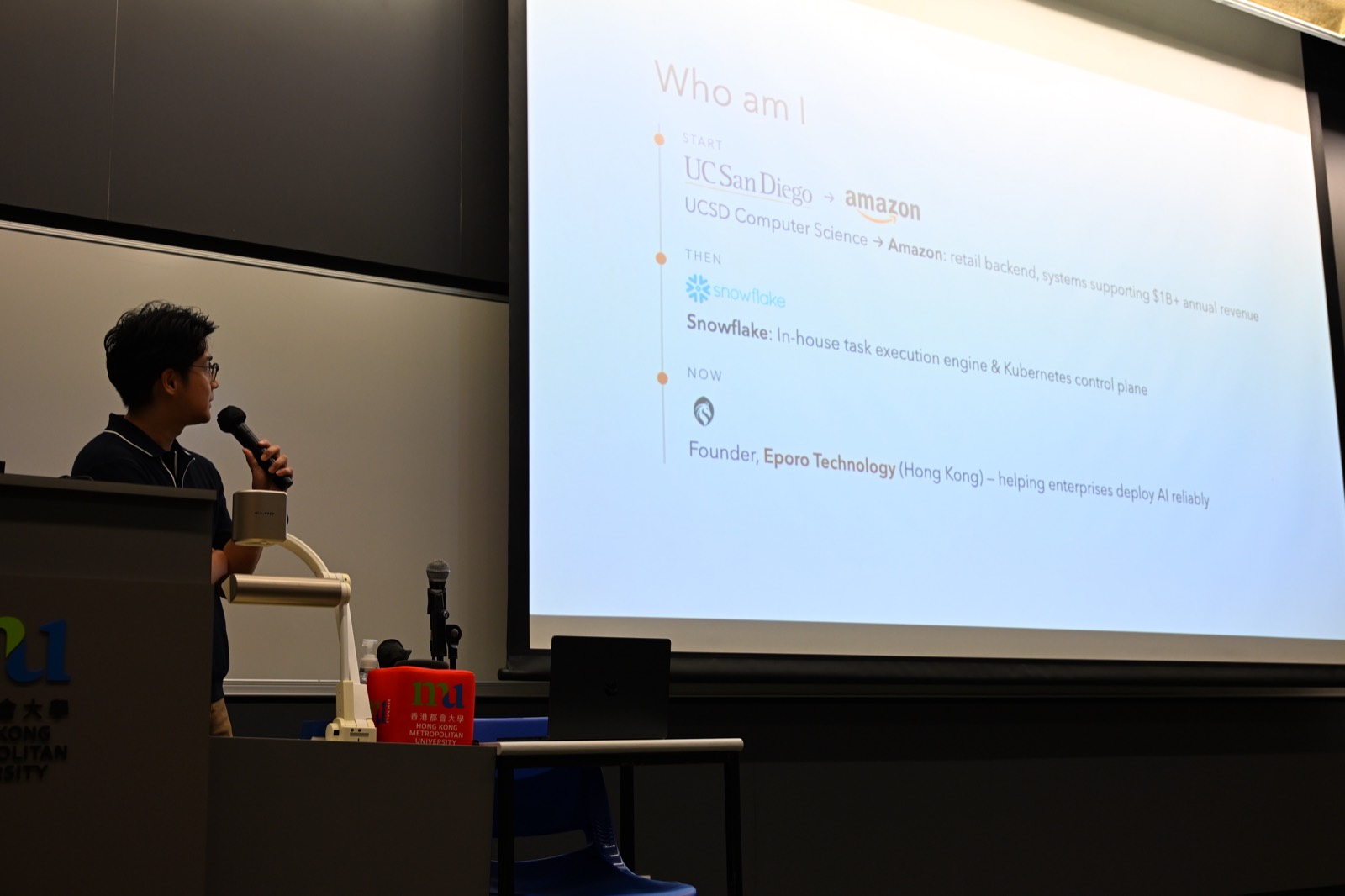
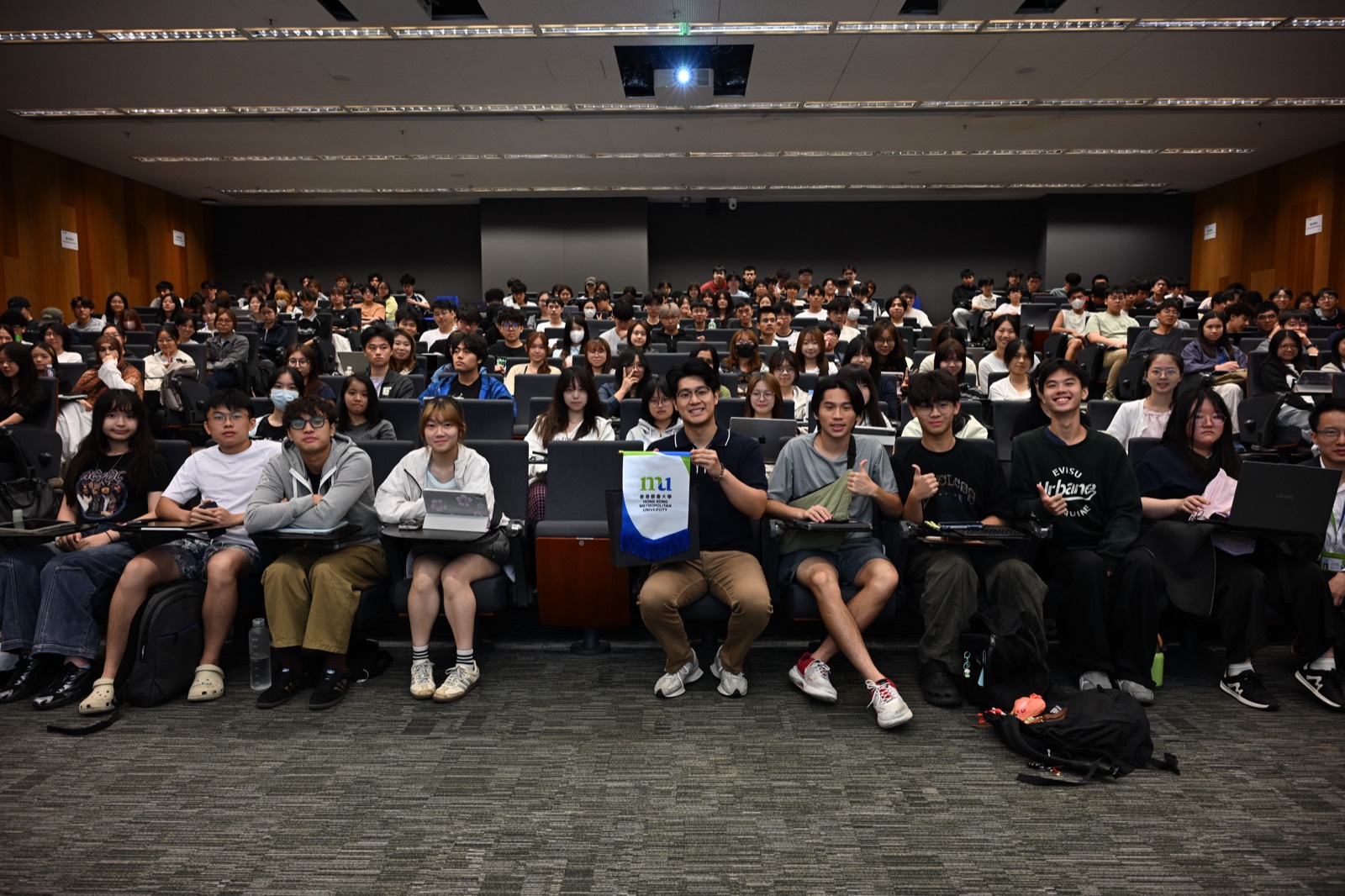
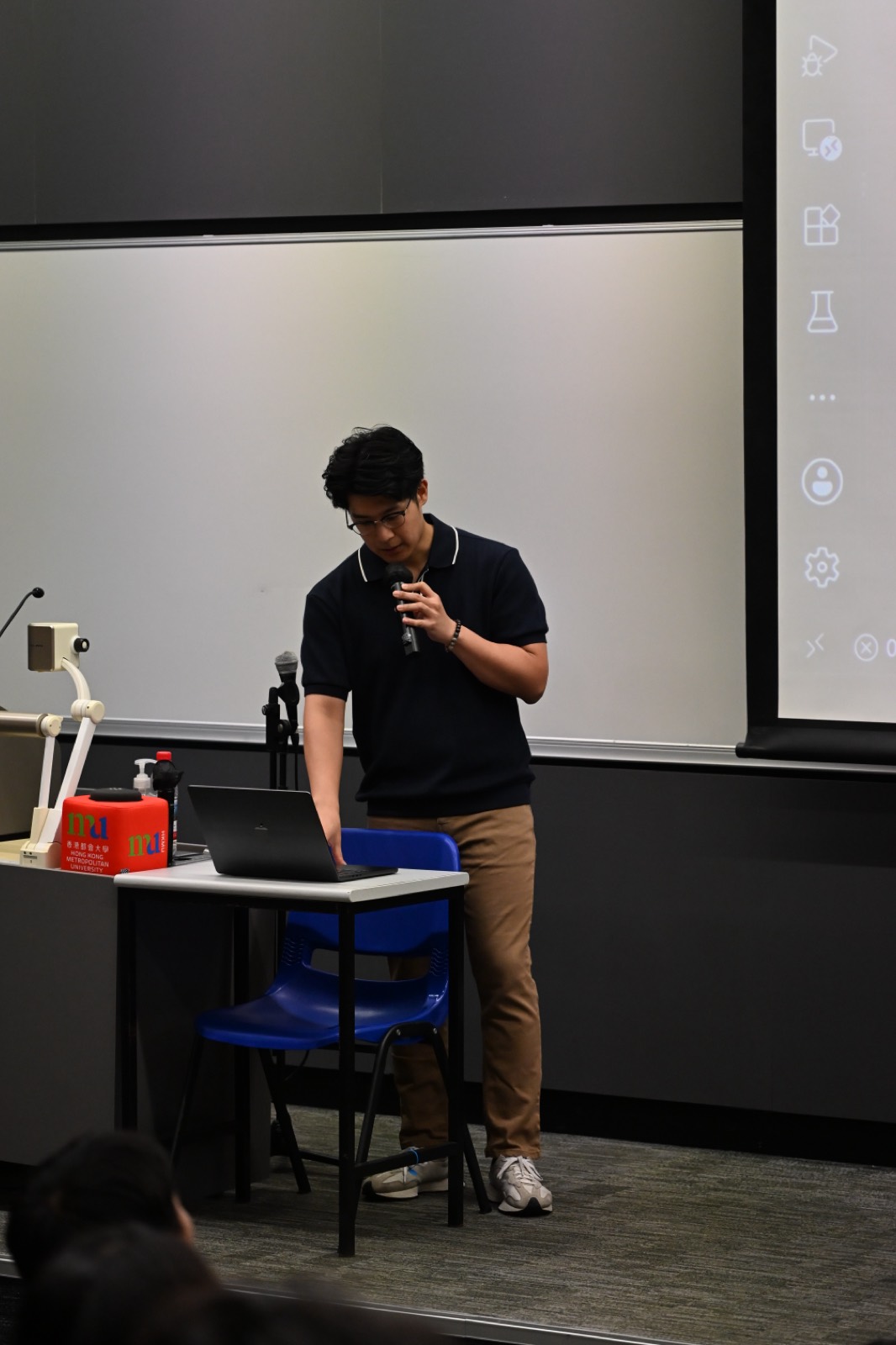
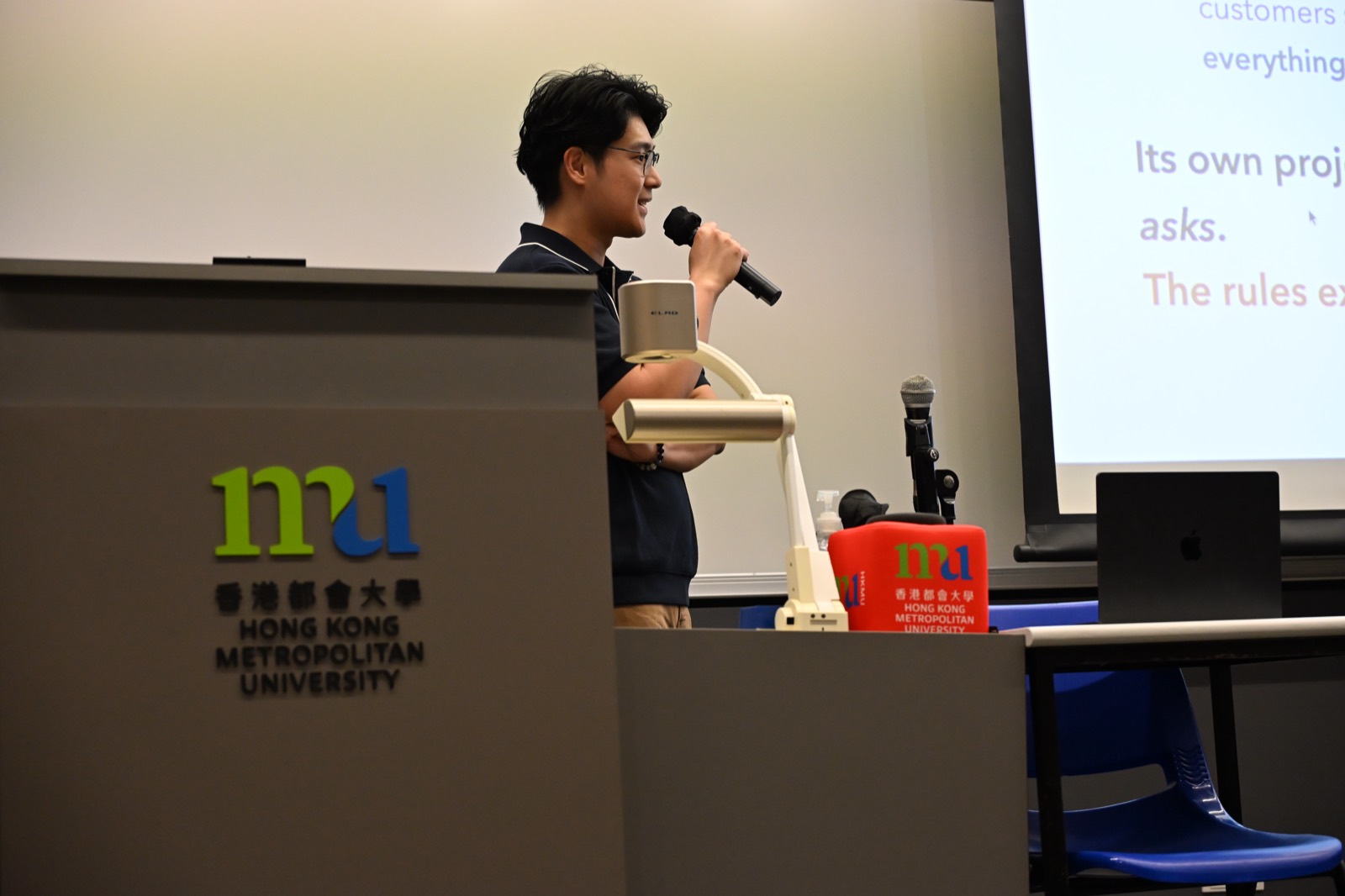
On 7 September 2026 I was invited to speak at the HKMU School of Business (Hong Kong Metropolitan University). The talk was "AI in Business: What works, what breaks, and why": ninety minutes, about two hundred people in the room. The talk was about where AI succeeds and where it breaks inside a business. This course turns that ninety minutes of judgement into work that actually runs on your staff's computers.
I'm Jason Huang, founder of Eporo Technology, based in Hong Kong. Eight years at US technology companies: Tech Lead at Amazon, Senior Software Engineer / Tech Lead at Snowflake. The systems I built are used by millions of people every day. Full profile
The person teaching is the person who wrote those systems. I run the sessions at your office myself, and it never gets handed to a junior trainer.
One way of teaching, applied to different working realities.
Ops, support and sourcing repeat the same looking-up and tidying-up every day, and once the team grows, everyone does it their own way.
The business runs, but reports are assembled by hand and processes live in people's heads. AI looks relevant, but which task do you start with?
It's worth saying who this isn't for. If you only want a talk about the concepts, and your staff won't be working hands-on on their own tasks in class, this course won't do much for you. A single talk covers that need.
The eight questions I'm asked most before a course starts.
Tools are chosen before the course, to fit your actual environment. Some mainstream tools are not officially available in Hong Kong, or don't run reliably here, so we pick the ones your team can actually use and set them up together in class.
No. Confidential company data never goes into any AI tool, and every exercise uses anonymised or made-up data. The rule is part of the course itself: the team leaves with the boundary as well as the tools.
No. You pick the language for the sessions: English, Cantonese or Mandarin.
A room, and one computer per participant. Accounts and tool setup are done together in class.
Three people minimum, ten maximum. Above that there isn't time to get each person's own task running in class.
No, it's one company per course. Real workflows and real data come up in class, so sessions are never mixed with other companies.
It depends on the number of participants and the number of sessions. You'll have a firm quote and a schedule after the 30-minute intro call.
Yes. A separate Q&A session is scheduled once the course has finished, for the problems that only show up in real use.
The intro call is free. You describe where the team is and the work you want to tackle; I'll tell you whether this course helps. If it doesn't, I'll say so.
Email to book a call